
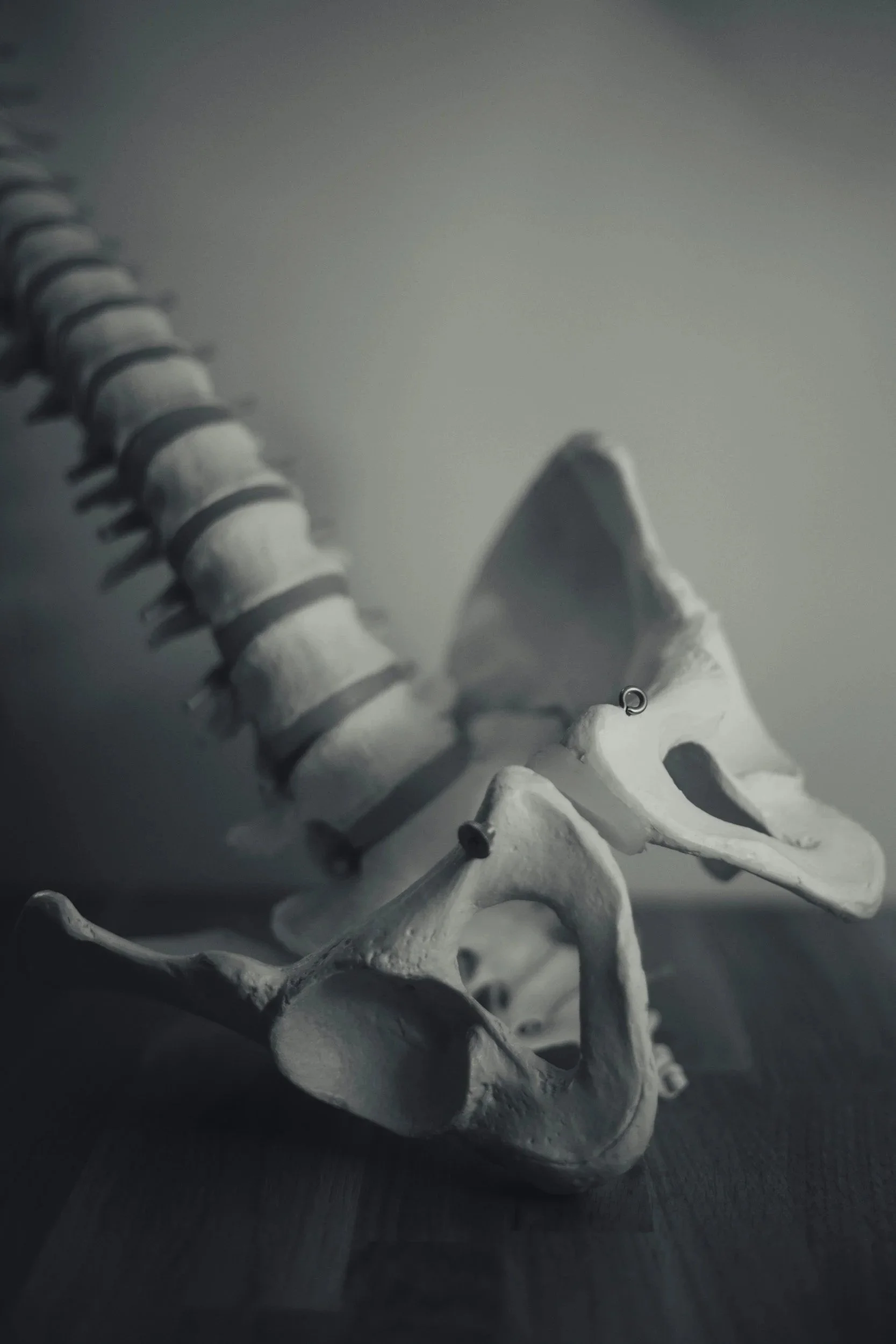
Pelvic physiotherapy
Your pelvic floor plays a key role in bladder, bowel, sexual health, and overall core strength—but many people aren’t aware that it can be treated and strengthened just like any other muscle group. Pelvic physiotherapy is a specialized form of physical therapy that focuses on the muscles, ligaments, and connective tissues of the pelvic region. Using exercises, manual therapy, biofeedback, and education, we help you restore strength, improve coordination and reduce pain, so you can feel confident and comfortable in daily life.
The pelvic floor
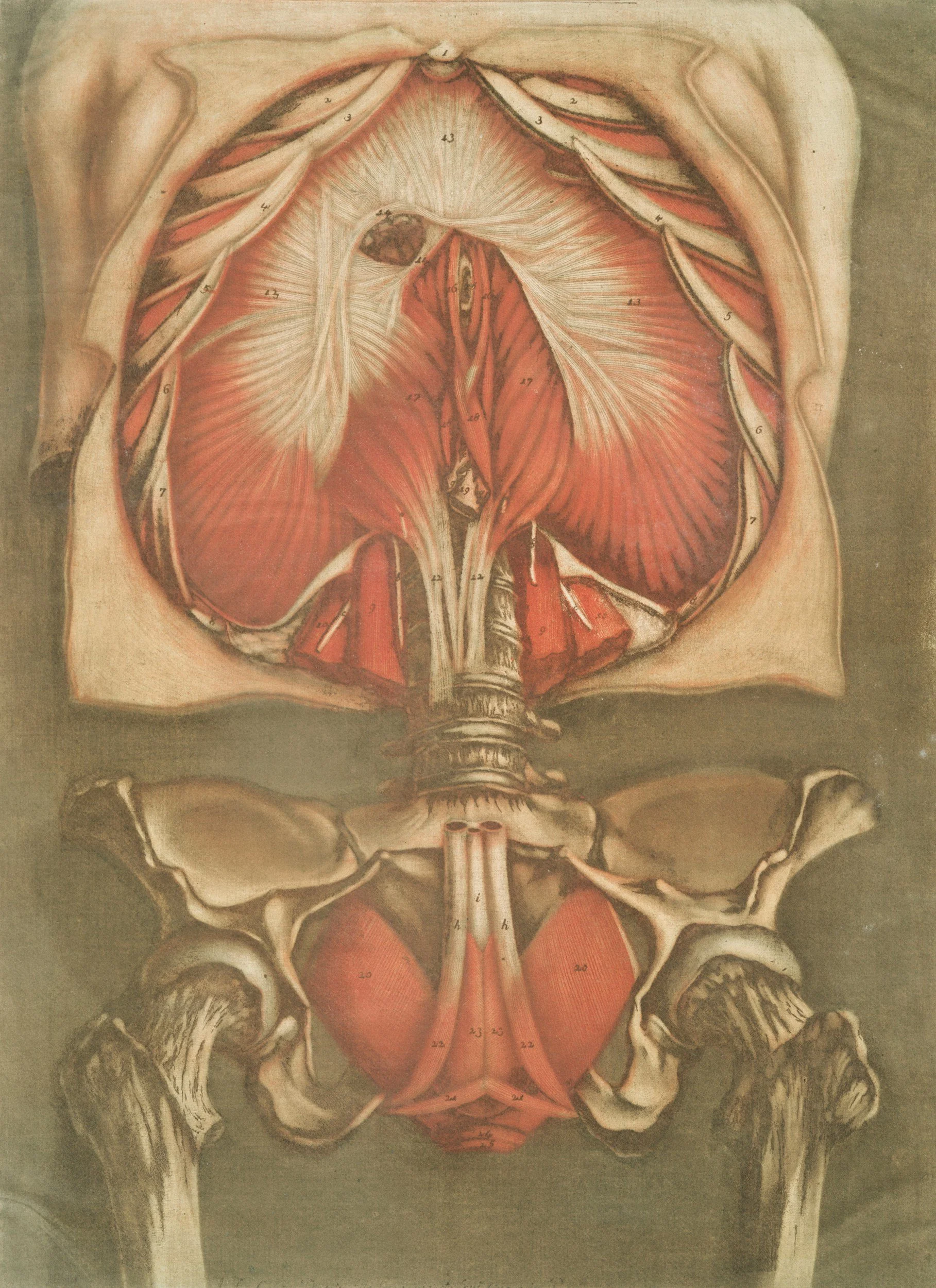
The pelvic floor muscles form a hammock-like layer of muscles and connective tissue that stretches across the bottom of the pelvis, supporting the bladder, bowel, uterus or prostate, and contributing to core stability. These muscles attach to the tailbone (coccyx), pubic bone, and sitting bones, helping control bladder and bowel function, support posture, and assist sexual function. When the pelvic floor muscles are weak, overactive, or uncoordinated, they can lead to urinary or bowel issues, sexual dysfunction, pelvic pain, and even tailbone/coccyx pain, as tight or imbalanced muscles can pull on the bony pelvis or compress nearby nerves. Pelvic physiotherapy works to restore balance, strength, and relaxation in these muscles, improving function and reducing discomfort.
How can pelvic physiotherapy help?

-
Problems like urinary leakage, overactive bladder, constipation, or fecal incontinence are common—but they don’t have to control your life. Pelvic physiotherapy can strengthen or teach you to relax your pelvic floor muscles, improve coordination, and implement strategies to manage symptoms. The result is better bladder and bowel control, fewer accidents, and greater confidence day-to-day.
-
Persistent pelvic pain can arise from muscle tension, neurological changes overtime, or conditions such as interstitial cystitis (bladder pain syndrome) or endometriosis. Physiotherapy can relieve pain through muscle release, stretching, biofeedback, posture correction, and individualized pain management strategies. Over time, these techniques can reduce discomfort, improve mobility, and allow you to enjoy daily activities more comfortably.
In case of persistent pain, hypnotherapy as an addition to pelvic physiotherapy can also be very helpful. -
Pelvic floor dysfunction can affect intimacy, causing pain during sex, difficulty with arousal, or reduced sensation. Through targeted exercises, relaxation techniques, and manual therapy, pelvic physiotherapy can help release tension, improve muscle tone, and restore comfort. Many patients notice enhanced sexual function and reduced discomfort, which can improve confidence and intimacy.
-
Pregnancy and childbirth place extra demands on your pelvic floor and core muscles. Pelvic physiotherapy can help with pelvic girdle pain, urinary leakage, diastasis recti, and perineal discomfort. By strengthening and relaxing the pelvic floor, supporting posture, and improving core stability, we help you recover safely, regain function, and return to your normal activities with confidence.

Complaints we treat
Urinary complaints: incontinence (stress incontinence, urge incontinance), urgency, frequency, overactive bladder, recurrent UTIs, bladder pain syndrome (interstitial cystitis), lower urinary tract symptoms (difficulty voiding, for example) with or without associated neurological disorders (multiple sclerosis, parkinson’s…)
Bowel complaints: chronic constipation, bowel incontinence, bowel urgency, chronic hemorrhoids, chronic fissures, rectocele symptoms, rectal prolapse.
Pelvic floor and abdominal dysfunction: pelvic floor weakness, pelvic organ prolapse, persistent pelvic heaviness/pressure, pelvic floor tension, pelvic floor incoordination, abdominopelvic incoordination, diastasis recti.
Pain-related complaints: pelvic girdle pain, pregnancy-related pelvic girdle pain, chronic pelvic pain, tailbone pain/coccyx pain, chronic abdominal pain (IBS related or not), endometriosis/adenomyosis, bladder pain syndrome, vulvodynia, vestibulodynia, clitoral pain, pudendal neuralgia.
Sexual dysfunction: dyspareunia (pain during sex), vaginismus, persistent genital arousal disorder, anorgasmia, erectile dysfunction, premature ejaculation
Treatments
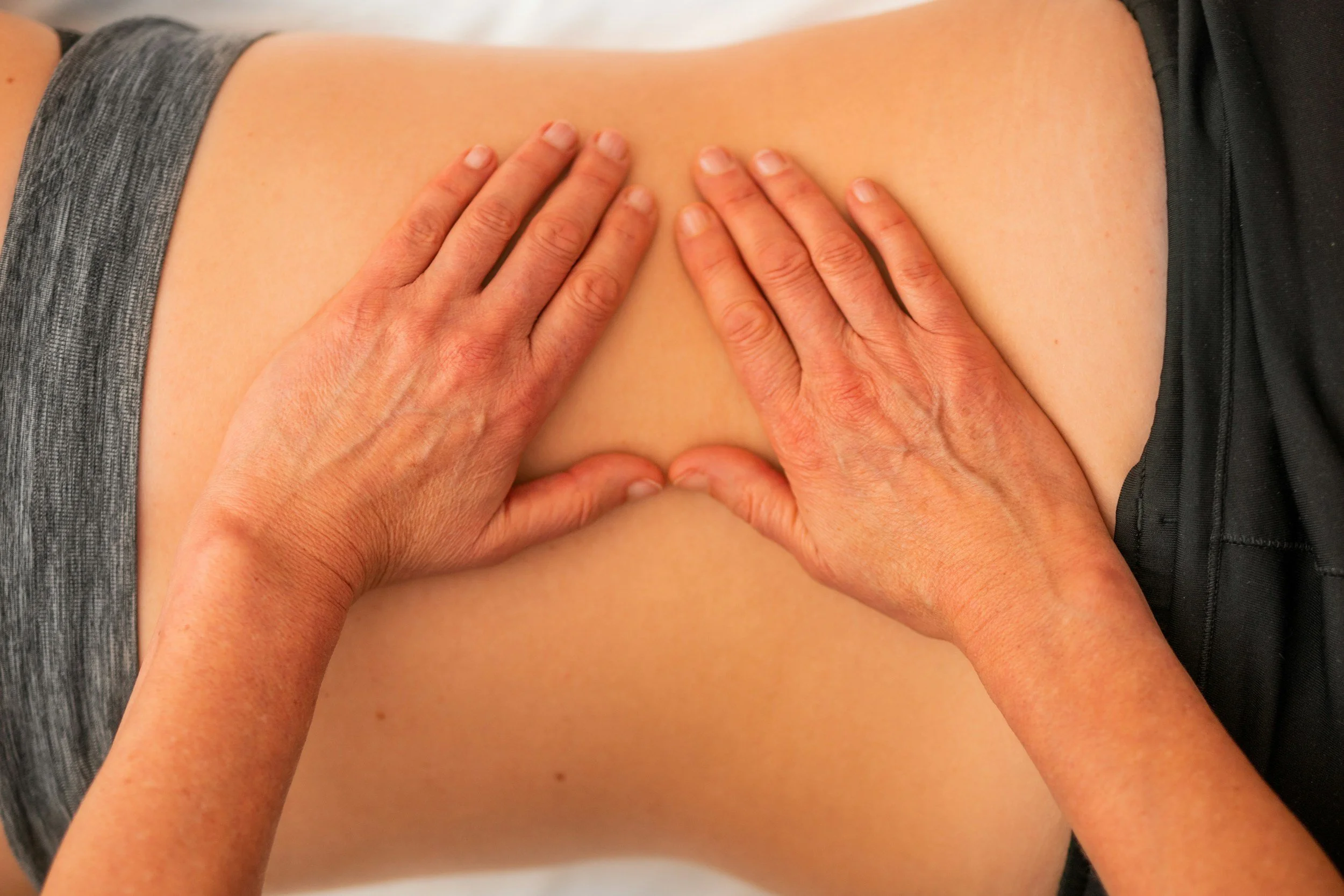
Manual therapy (internal when needed)
Therapeutic exercise
Dry needling (pelvic floor dry needling as well)
NIMOC (external tailbone mobilization technique)
Rost Therapy (Specific techniques for pelvic girdle pain)
Biofeedback/EMG
Electrostimulation/TENS
TTNS/PTNS
Hypopressive exercises
Dilator therapy
Hypnosis (for chronic pelvic conditions)
(!)PLEASE note: we do not work with ultrasound/echography and we’re not planning on working with it in the future. We also do not work with the MAPle system, but can point you to the right professional if this is what you’re looking for specifically.