

(Peri) menopause and pelvic health
You’re not going insane. And yes, it has a solution.
Pelvic health in menopause & the role of pelvic physiotherapy
Menopause and perimenopause are natural life transitions, but they bring significant hormonal changes—particularly a decline in estrogen—that can affect pelvic tissues, bladder function, bowel habits, and sexual health. While this transition is normal, it is not always easy: research shows that up to 70–80% of women experience symptoms, and for a substantial proportion these can be moderate to severe and impact daily life.
Pelvic physiotherapy is an important part of a multidisciplinary approach to managing these changes. By working alongside GPs, gynecologists, and other specialists, pelvic physiotherapists assess and treat muscle function, tissue health, and lifestyle factors. The goal is not only symptom relief, but also helping women stay active, confident, and informed throughout this stage of life.
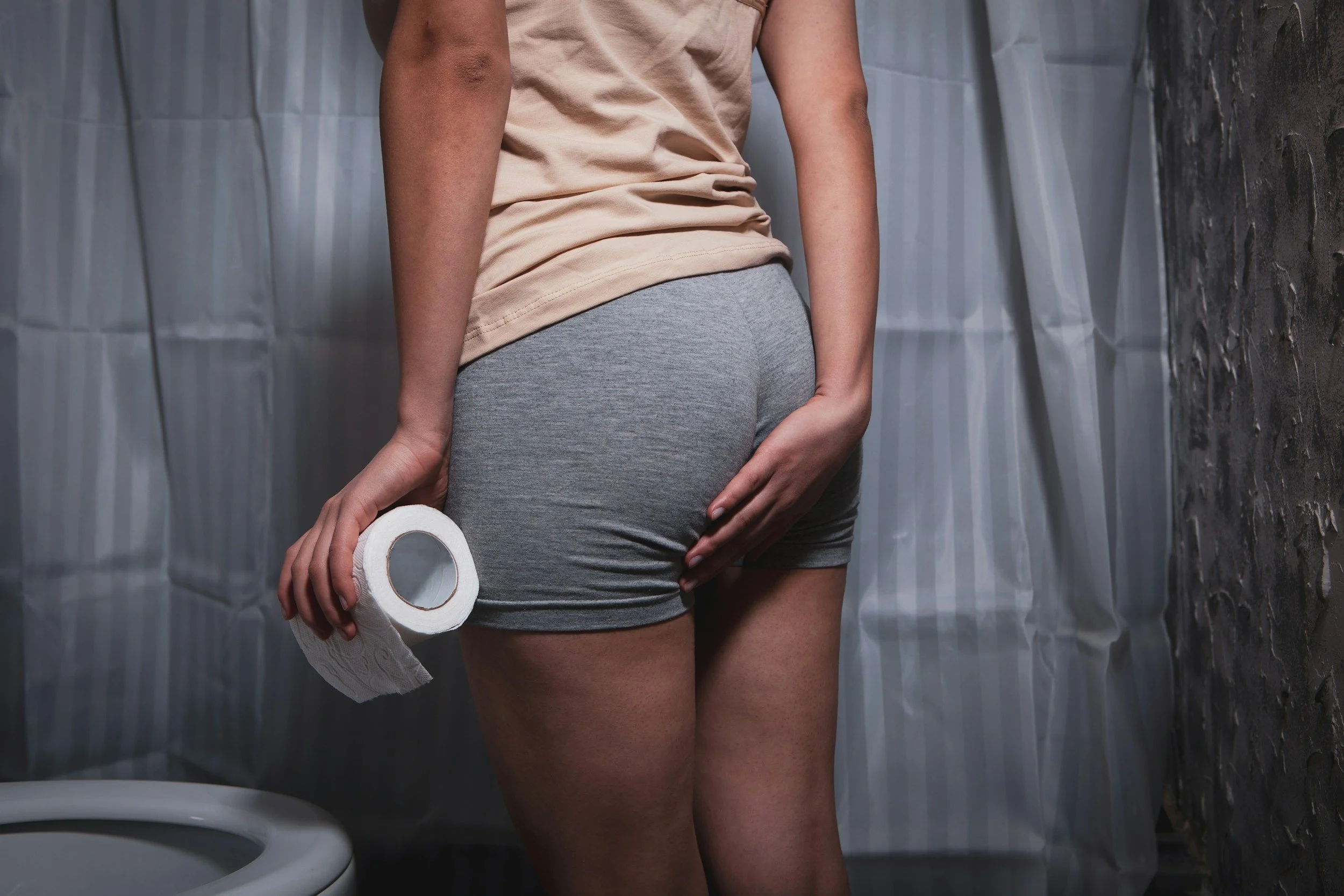
Urinary complaints
Urinary symptoms are very common during perimenopause and menopause and are often part of what is known as the genitourinary syndrome of menopause (GSM), affecting around 50% of women. These may include urgency, frequency, leakage, or recurrent urinary tract infections.
Pelvic physiotherapy can help by improving pelvic floor muscle coordination, bladder habits, and overall pelvic support. Treatment is individualized and may include exercises, bladder training, and education about lifestyle factors.

Sexual health
Hormonal changes during menopause can affect sexual health, leading to symptoms such as vaginal dryness, discomfort during intercourse, reduced sensation, or difficulty with arousal and orgasm. These changes are common, but they are treatable and should not be ignored. Treatment might require hormonal support.
Pelvic physiotherapy can support sexual health by addressing pelvic floor muscle function, improving blood flow, reducing pain, and restoring confidence. We also provide education on lubrication, tissue care, and relaxation techniques.
When appropriate and preferred, we also advise on and refer to medical specialists to discuss hormonal treatments (such as local estrogen), which can significantly improve tissue health and urinary symptoms. This ensures you receive comprehensive, evidence-based care tailored to your needs.

Exercise, nutrition & specialist support
Menopause is also a time when the body’s response to exercise, recovery, and nutrition changes. Maintaining strength, bone health, and metabolic balance becomes especially important.
That’s why we work closely with specialized trainers and professionals who understand the needs of women in this transition. Together, we provide guidance on targeted exercise and optimal nutrition, helping you build strength, support pelvic health, and improve overall wellbeing.
This collaborative approach ensures you receive well-rounded, practical support—so you can navigate menopause feeling strong, informed, and supported.